
BLOG
The Essential Role of Tower Cranes in High-Rise Building Construction
10 Feb,2026
In the realm of industrial equipment and components, tower cranes play a pivotal role in the construction of high-rise buildings. These towering giants are specifically designed to lift and move heavy materials with precision and efficiency, making them indispensable on modern construction sites. Understanding how tower cranes operate and their key features can help professionals in the construction industry maximize their effectiveness.
Tower cranes are characterized by their height and stability. They are fixed to the ground and can reach impressive heights, making them ideal for constructing multi-story structures. The design of a tower crane usually includes a vertical mast, a horizontal jib, and a counterweight. This structure ensures that the crane remains stable while lifting heavy loads, which is crucial for the safety and efficiency of high-rise construction projects.
One of the primary advantages of using tower cranes for high-rise buildings is their ability to lift substantial loads. Most tower cranes can handle loads ranging from several tons up to 20 tons or more, depending on the model and configuration. This capability allows for the efficient movement of steel beams, concrete slabs, and other heavy materials that are essential for building tall structures. Moreover, the reach of a tower crane can span several hundred feet, providing ample coverage for large job sites.
The operational efficiency of tower cranes is another critical factor in their use for high-rise buildings. They can be operated remotely, allowing for safer and more controlled lifting operations. Additionally, modern tower cranes come equipped with advanced technologies such as load moment indicators, which help prevent overload situations by providing real-time data on the weight of the load being lifted. This technology enhances safety and helps maintain project timelines.
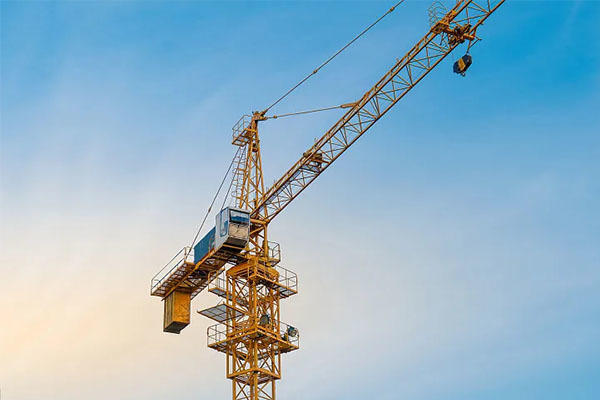
Furthermore, tower cranes can be assembled and disassembled on-site, offering flexibility in construction. As the building rises, the crane can be jacked up to keep pace with the construction progress. This vertical climbing capability minimizes the need for multiple cranes on a site, reducing costs and improving logistics.
In conclusion, the use of tower cranes is integral to the successful construction of high-rise buildings. Their design, load-lifting capacity, and operational efficiency make them the go-to solution for modern construction challenges. For professionals in the industry, understanding the technical aspects of tower cranes can significantly enhance project planning and execution, leading to safer and more efficient construction processes. As urban landscapes continue to evolve, the significance of tower cranes in high-rise construction will only grow, driving innovation and progress in the field.
Latest Blog
Let us find a solution for you
CONTACT INFORMATION
MAIN PRODUCTS
MAIN PRODUCTS
EMAIL:mechequip888@gmail.com
Whatsapp:+8618954451078
TEL: +8618954451078


Copyright ©
