
BLOG
Maximizing Efficiency with Tower Cranes: A Comprehensive Guide for Your Construction Site
12 Jan,2026
How to Maximize Efficiency with Tower Cranes on Your Construction Site
Introduction to Tower Cranes and Their Importance
Tower cranes have become a staple in modern construction due to their unparalleled lifting capabilities and efficiency. These towering giants can reach impressive heights and lift heavy loads, making them essential for large-scale construction projects. Understanding how to effectively utilize tower cranes can significantly impact the productivity and success of your construction site.
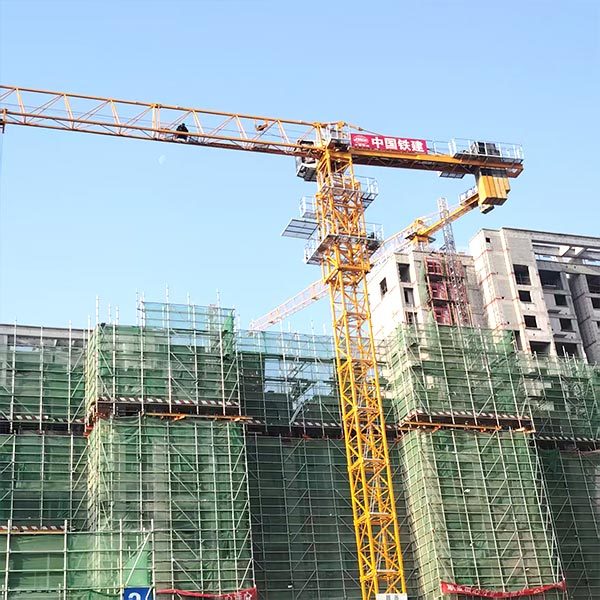
The Role of Tower Cranes in Construction Projects
Tower cranes serve multiple purposes on construction sites. They are primarily used for lifting and moving materials, which can include everything from steel beams to concrete blocks. The efficient use of tower cranes can help optimize workflow, reduce labor costs, and ensure that the project is completed on time.
Understanding Load Capacity and Reach
To maximize efficiency, it is crucial to understand the load capacity and reach of the tower crane. Each tower crane model has specific lifting limits and operational radii. Knowing these specifications allows project managers to select the appropriate crane for their needs, ensuring that materials are moved effectively without overloading the equipment.
Selecting the Right Tower Crane for Your Project
Choosing the right type of tower crane is essential. Factors to consider include:
- **Project Scale:** Larger projects may require more powerful cranes.
- **Site Constraints:** Urban environments may need compact cranes.
- **Material Types:** Different materials require different lifting capacities.
Consulting with crane specialists can lead to more informed decisions that enhance overall efficiency.
Optimal Tower Crane Placement for Maximum Efficiency
The placement of your tower crane can drastically affect its efficiency. Strategic positioning ensures that the crane can reach all necessary areas of the construction site without obstruction.
Site Layout Considerations
When placing a tower crane, consider the following:
- **Proximity to Work Areas:** The closer the crane is to the primary work areas, the quicker the material can be lifted and delivered.
- **Avoiding Obstacles:** Ensure clear paths from the crane to construction zones to minimize delays.
- **Wind Exposure:** High winds can affect crane operations; placing the crane in a sheltered area can improve safety and productivity.
Utilizing Multiple Cranes
In larger construction projects, it may be beneficial to use multiple tower cranes. This can help distribute the workload and ensure that materials are efficiently managed across different site sections. Coordination between cranes is critical to avoid conflicts and enhance overall site productivity.
Effective Crane Operations and Communication
Efficient operation of tower cranes relies heavily on communication between the crane operator and ground crew. Proper protocols ensure that materials are moved safely and quickly.
Training and Certification for Operators
All crane operators must undergo rigorous training and certification. This ensures that they are knowledgeable about the mechanics of the crane and can respond to potential hazards swiftly. Regular training updates can boost safety and efficiency on site.
Implementing a Communication System
Establishing a reliable communication system between the crane operator and ground crew is essential. Using radios or hand signals can help ensure that instructions are clear and that everyone is aware of ongoing operations.
Safety Measures to Enhance Efficiency
Safety and efficiency go hand in hand on construction sites. Implementing comprehensive safety measures can prevent accidents that could lead to project delays.
Regular Equipment Inspections
Conducting routine inspections of tower cranes is vital. Checking for wear and tear, as well as ensuring that all components are functioning correctly, can prevent accidents and costly downtime.
Safety Protocols for Ground Crew
Ground crew members should be trained in safety protocols, such as maintaining a safe distance from the crane and understanding load signals. Using safety gear and establishing exclusion zones around the crane can also reduce the risk of accidents.
Utilizing Technology for Enhanced Efficiency
Modern technology plays a key role in maximizing the efficiency of tower cranes on construction sites.
Telematics and Data Analysis
Telematics systems can monitor crane performance in real time, providing data on load movements, operational time, and equipment health. Analyzing this data can help identify areas for improvement and streamline operations.
3D Modeling and Simulation Tools
Using 3D modeling and simulation software can help in planning crane operations. These tools allow project managers to visualize the site layout and optimize crane placement and operation before construction begins.
Best Practices for Material Management
Efficient material management can significantly enhance the productivity of tower cranes on construction sites.
Pre-Planning Material Deliveries
Scheduling material deliveries to coincide with crane operations can minimize downtime. Pre-planning ensures that necessary materials are on-site when required, allowing for continuous workflow.
Implementing Inventory Management Systems
Utilizing digital inventory management systems can help track material usage and availability. This visibility ensures that materials are readily available, reducing the need for last-minute deliveries and enhancing crane efficiency.
FAQs About Tower Cranes on Construction Sites
1. What is the average height a tower crane can reach?
The average height of tower cranes can vary, but most can reach heights of 200 to 300 feet, with some models capable of even greater heights.
2. How is a tower crane erected on-site?
Tower cranes are typically assembled using smaller mobile cranes. The base is secured first, followed by the tower sections, and finally, the jib and counterweights are added.
3. What safety regulations govern tower crane operations?
Safety regulations vary by region but generally include guidelines from organizations like OSHA in the U.S. and the HSE in the U.K. Regular inspections and operator certifications are key components of these regulations.
4. Can tower cranes operate in high winds?
Tower cranes are designed to withstand certain wind speeds, but operations may need to be halted in high winds for safety. Operators should always adhere to manufacturer guidelines.
5. How do I determine the right type of tower crane for my project?
Consulting with crane experts and assessing your project’s specific needs, including load capacity and site conditions, will help determine the best type of crane for your construction project.
Conclusion
Maximizing efficiency with tower cranes on your construction site requires a multifaceted approach. From selecting the right crane and optimizing its placement to ensuring effective operations and safety measures, every detail counts. By embracing technology and best practices in material management, you can enhance productivity and reduce costs. As you implement these strategies, you will not only elevate your construction projects but also lay the foundation for future success in the industry.
Latest Blog
Let us find a solution for you
CONTACT INFORMATION
MAIN PRODUCTS
MAIN PRODUCTS
EMAIL:mechequip888@gmail.com
Whatsapp:+8618954451078
TEL: +8618954451078


Copyright ©
